Ras El Hanout: The Symphony of Moroccan Spices
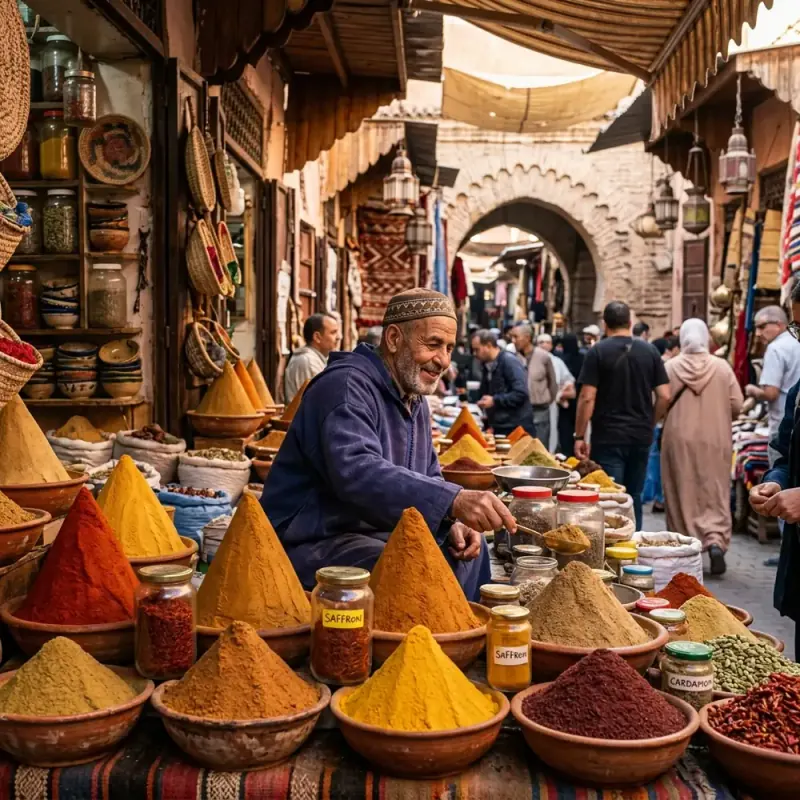
Growing up, I would watch my mother carefully measure golden mounds of spices, transforming our kitchen into a fragrant sanctuary. In every Moroccan medina, there is a scent that defines the air – a complex, earthy, and floral aroma that emanates from the spice stalls (Attarin). At the heart of this olfactory landscape is Ras El Hanout, a blend whose name literally means “Head of the Shop,” implying that it is the best collection of spices the merchant has to offer.
A Secret and Unique Composition
Unlike curry powder or herbes de Provence, there is no single recipe for Ras El Hanout. Every spice merchant (Attar) guards their secret ratio with patriotic pride.
- Thirty Spices or More: A truly high-grade blend can contain anywhere from 12 to over 50 different ingredients.
- The Noble Ingredients: Common constituents include cardamom, clove, cinnamon, ground chili peppers, coriander, cumin, peppercorn, nutmeg, mace, and ginger. Rare additions might include rosebuds, lavender, or even orris root.
The Role of Spices in Sovereign Gastronomy
Moroccan cuisine is not “hot” in the sense of chili-heat, but it is “deeply spiced.”
- Complexity over Fire: The goal of using spices like Ras El Hanout is to create layers of flavor that evolve on the palate.
- Medicinal Roots: Many spices were traditionally chosen for their digestive and warming properties, especially during the cold nights of the Atlas mountains.
How to Use Ras El Hanout at Home
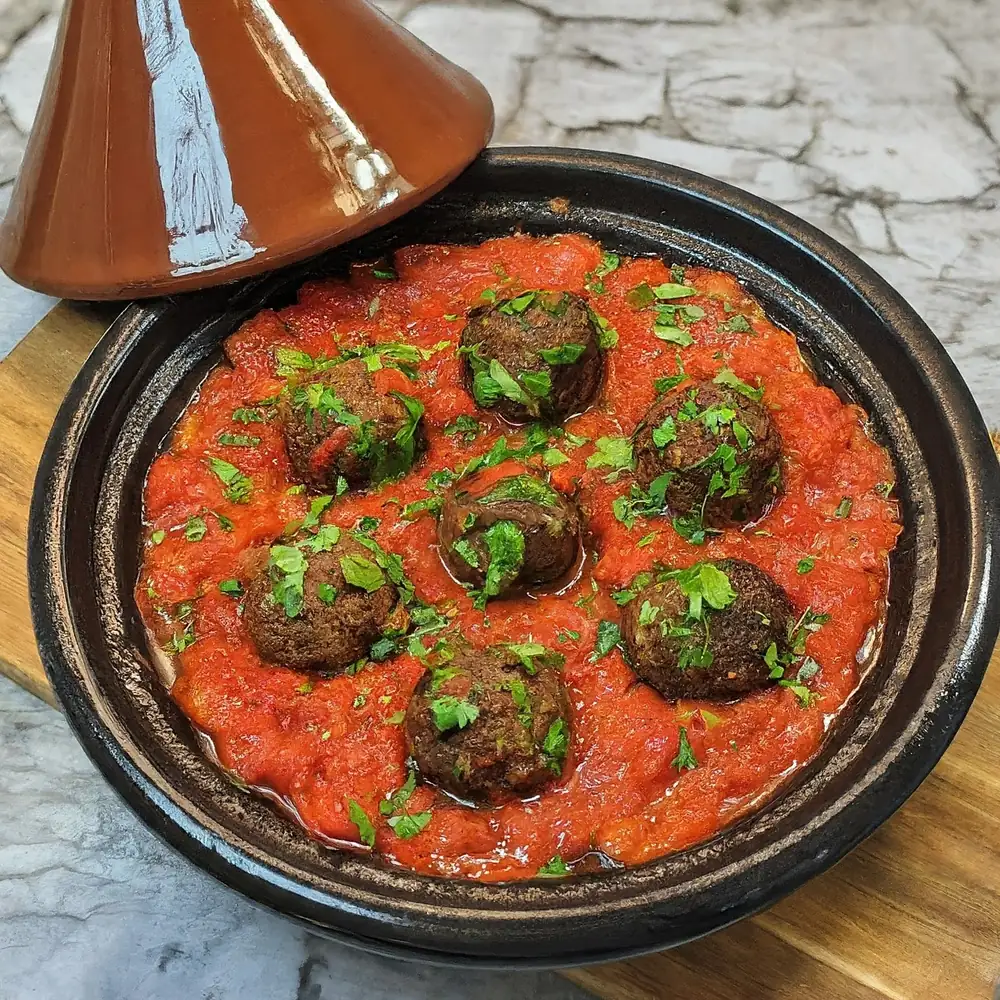
- Tajines and Stews: It is the essential seasoning for slow-cooked lamb or beef dishes, particularly those with dried fruits.
- The Mrouzia Ritual: No Eid Al-Adha is complete without Mrouzia, a honeyed lamb dish where Ras El Hanout is the absolute star.
- Roasts: Rub it onto chicken or vegetables before roasting for an instant transformation into a North African masterpiece.
Buying Tips from the Medina
- Smell the Complexity: If it just smells like cumin, it’s not a true Ras El Hanout. You should detect notes of flowers and sweet wood.
- Color Matters: It should be a rich, golden-brown hue, not vibrant yellow (which indicates too much cheap turmeric) or bright red.
A Kingdom in a Bottle
Ras El Hanout is more than a blend; it stands as a proud symbol of Morocco’s history as a hub of the ancient spice routes. It is the liquid gold of our kitchens. Go ahead and ask your local Attar for their secret mix—you won’t be disappointed.
Frequently Asked Questions (FAQ)
Q1: Is Ras El Hanout spicy? A: It is “spiced” but not “spicy hot.” It has a warm, complex profile rather than a burning sensation.
Q2: How long does it last? A: For the best aroma, use it within 6 months. Stone-ground spices lose their volatility quickly.
Q3: Can I make my own? A: You can, but the true magic lies in the centuries-old experience of the Medina spice masters who know the interaction of these dozens of ingredients.
Experience the true heart of Moroccan heritage through its traditions. Join us in preserving these ancestral rituals.
What People Are Saying
No comments yet. Be the first — we'd love to hear from you.
Chef Youssef
A Moroccan cultural writer dedicated to documenting the authentic voice, history, and heritage of the Kingdom. Writing from within — to share what truly makes Morocco extraordinary.
Our Mission →