Beyond Harira: The Hidden Regional Soups of Ramadan
Beyond Harira: The Hidden Regional Soups of Ramadan
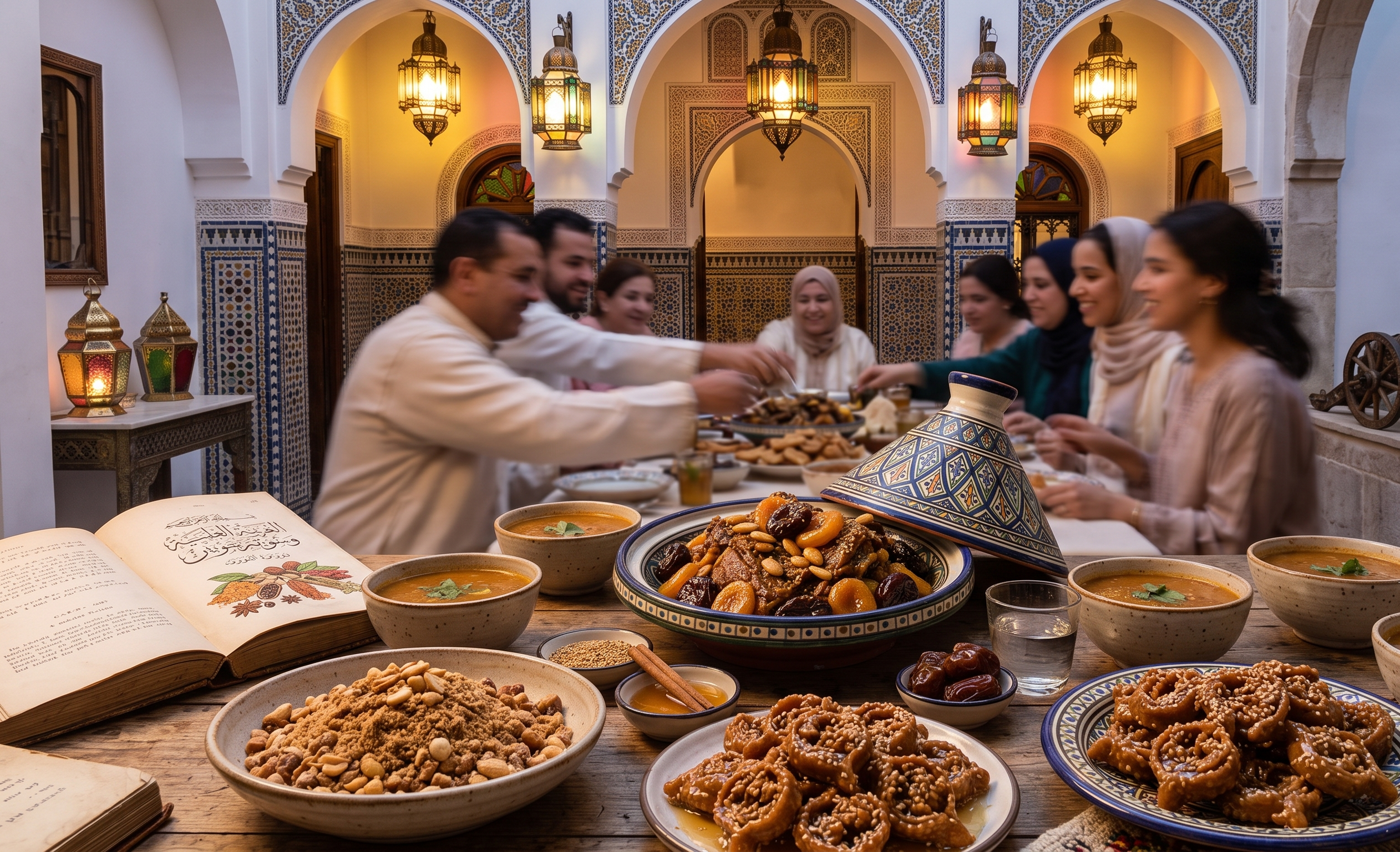
If you ask anyone outside of Morocco what is served to break the fast during the holy month of Ramadan, the answer is always the same: Harira.
And it is true—the thick, velvety tomato, lentil, and chickpea soup is the undeniable superstar of the Ftour (Iftar) table. But drinking the exact same rich, heavy soup for 30 consecutive days can overwhelm the digestive system. Across the Kingdom, there are lighter, deeply regional soups that serve as the quiet alternatives to Harira.
Hssoua: The Barley Porridge
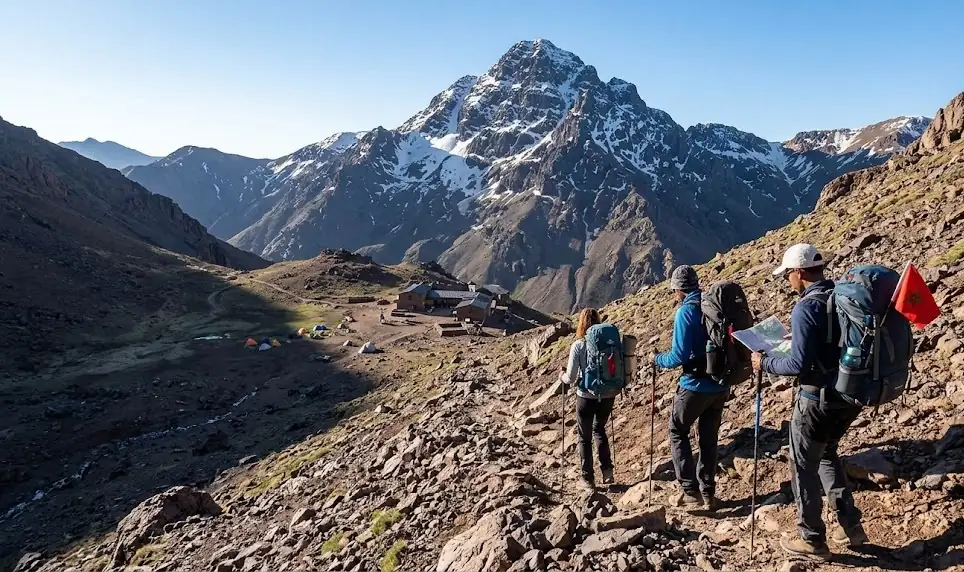
Particularly in the countryside and the High Atlas Mountains, Hssoua is the soup of choice. It is incredibly rustic and comforting, made from cracked barley or semolina slowly boiled in salted water until it becomes a thick, creamy porridge.
Right before serving, a generous pour of fresh milk or buttermilk (lben) is added, along with a swirl of peppery extra-virgin olive oil and a heavy dusting of cumin. It is gentle on an empty stomach and highly hydrating.
Chorba: The Clear Broth
In the northern cities like Tangier and Tetouan, which have strong Andalusian and Mediterranean influences, Chorba is preferred. Unlike Harira, which is thickened with a flour-and-water slurry, Chorba is a clear, light broth. It is packed with finely diced seasonal vegetables, vermicelli noodles, and sometimes small pieces of white fish or chicken, colored yellow with turmeric or saffron.
Dchicha with Thyme
In the arid south, you will find Dchicha b’Zaatar. This is a cracked wheat soup that is heavily infused with wild mountain thyme (Zaatar). The thyme acts as a powerful natural digestive aid, soothing the stomach after 14 hours of fasting.
While Harira gets all the glory, these humble, quiet soups are the true endurance fuel of the Moroccan kitchen.
Experience the true heart of Moroccan heritage through its traditions. Join us in preserving these ancestral rituals.
What People Are Saying
No comments yet. Be the first — we'd love to hear from you.
Youssef Amazigh
A Moroccan cultural writer dedicated to documenting the authentic voice, history, and heritage of the Kingdom. Writing from within — to share what truly makes Morocco extraordinary.
Our Mission →