Cumin on the Table: The Moroccan Substitute for Black Pepper
Cumin on the Table: The Moroccan Substitute for Black Pepper
If you sit down at a table in a traditional Moroccan restaurant, you will notice the standard salt shaker. But the dark powder in the shaker next to it is almost never black pepper. It is finely ground, heavily roasted cumin (Kamoun).
In the West, black pepper is the default savory seasoning, used on everything from steaks to eggs. In the Moroccan flavor profile, black pepper is used heavily in the kitchen during the cooking process, but it is rarely added raw at the table. Cumin is the undisputed king of the finishing spices.
The Roasting Process
The cumin found on a Moroccan table is very different from the stale, pre-ground cumin you might find in a western supermarket.
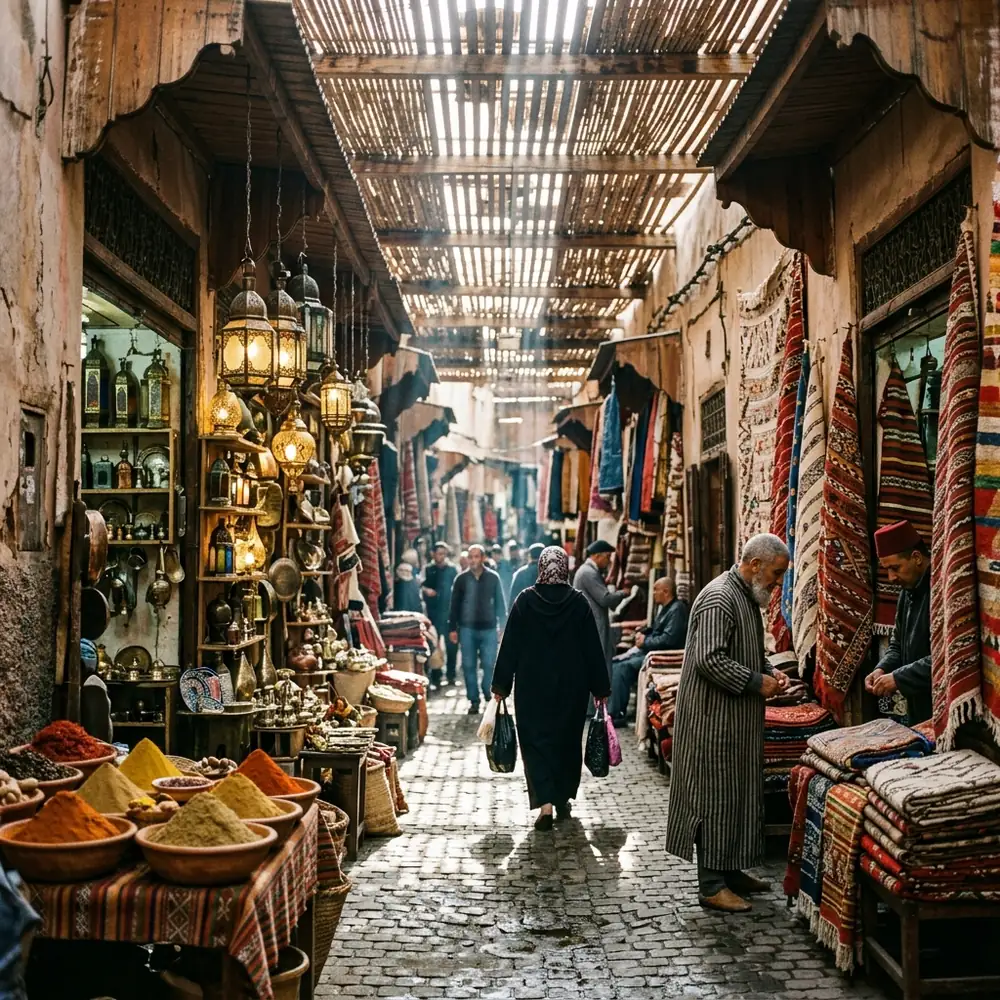
A traditional cook buys whole cumin seeds from the apothecary. Before grinding them, the seeds are tossed in a dry, hot skillet. This roasting process is crucial; it releases the volatile oils, turning the cumin from a mildly earthy seed into a deeply pungent, smoky, almost citrusy powerhouse.
The Digestion Aid
Why is cumin the default table spice? The answer is half culinary, half medicinal.
Cumin has an incredible affinity for the rich, heavy fats found in Moroccan cooking. A generous dusting of raw cumin perfectly cuts the richness of a fried egg cooked in Khlea (preserved beef fat), or a steaming bowl of Bissara (fava bean soup) swimming in olive oil. If you order Mechoui (slow-roasted whole lamb), it is always served with a small dish of salt and cumin for dipping.
But beyond flavor, cumin is highly regarded in Moroccan traditional medicine as a powerful digestive aid. Because Moroccan meals are extremely heavy and meat-centric, consuming large amounts of cumin at the table is a delicious, preventative measure against indigestion and bloating. It is the spice that makes the feast possible.
Experience the true heart of Moroccan heritage through its traditions. Join us in preserving these ancestral rituals.
What People Are Saying
No comments yet. Be the first — we'd love to hear from you.
Youssef Amazigh
A Moroccan cultural writer dedicated to documenting the authentic voice, history, and heritage of the Kingdom. Writing from within — to share what truly makes Morocco extraordinary.
Our Mission →