High Atlas Eco-Tourism: Trekking the Peaks of North Africa Sustainably
High Atlas Mountains: A Journey into the Roof of North Africa
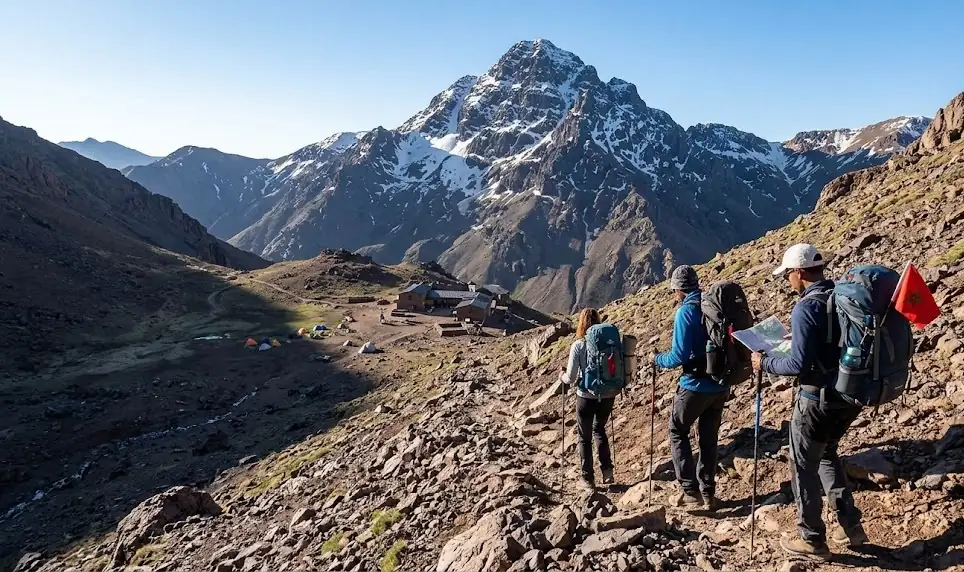
The first time I slept in a mountain gîte in the Ourika Valley, I was twelve years old and convinced I could hear the stars. My father had wrapped me in a thick Amazigh blanket and whispered: “Lli bghha tsema, ysma” — if you want to hear, listen. The High Atlas Mountains don’t shout; they speak quietly to those who slow down enough to listen. Stretching across the heart of Morocco, these peaks are home to the highest summits in North Africa, including the legendary Mount Toubkal — but beyond the altitude, they hold a lesson in sustainable, communal living that the modern world is only beginning to understand.
The Peaks of the Amazigh Soul
The High Atlas are the ancestral domain of the Amazigh (Berber) people. Their villages, built of stone and earth, cling to the steep slopes in a way that seems to defy gravity.
- The Architecture of Integration: The houses are designed to be cool in the hot Saharan summers and warm during the snowy alpine winters, using the natural thermal properties of local clay and rock.
- The Terrace Agriculture: For centuries, mountain communities have carved intricate terraces into the hillsides, using ancient irrigation systems (Seguias) to grow walnuts, cherries, and barley.
Sustainable Trekking: Walking with Context
Trekking in the High Atlas is not just about physical endurance; it’s about cultural exchange.
- The Mountain Guides: Always hire a local, certified guide. They don’t just show you the path; they act as translators between your world and the mountain culture.
- The Village Gîtes: Instead of large hotels, stay in traditional gîtes—family-run guesthouses. This ensures that your tourism dollars directly support the local economy and provide education for mountain youth.
- The Muleteers: These “taxis of the mountains” are essential for longer treks. Supporting them helps maintain the traditional equine culture of the region.
Highlights of the High Atlas
- Mount Toubkal (4,167m): A challenging but rewarding climb that offers views of the Sahara and the Atlantic on clear days.
- The Ourika Valley: A lush, green escape just an hour from Marrakech, perfect for those seeking cool waterfalls and riverside dining.
- Aït Bouguemez: Known as the “Happy Valley,” this is the heart of Moroccan eco-tourism, offering a glimpse into a truly self-sufficient and peaceful way of life.
Tips for the Eco-Conscious Trekker
- Leave No Trace: The mountain ecosystem is fragile. Carry a reusable water bottle and never leave trash behind.
- Respect Local Traditions: Dress modestly when passing through villages, and always ask before photographing people or their homes.
- Support Local Artisans: Look for hand-woven mountain rugs and carved walnut wood crafts made directly in the villages.
To Keep the Conversation Going Reaching Higher
The High Atlas will do something to you that no guidebook can prepare you for — they will slow your heartbeat and expand your perspective all at once. My father was right: up there, if you want to hear, you have to listen. By choosing eco-tourism, you are helping preserve one of the world’s most extraordinary cultural landscapes. If you’ve trekked these peaks — or if the mountains are calling you for the first time — tell us about it in the comments. Where in the High Atlas would you go first?
Frequently Asked Questions (FAQ)
Q1: Is a guide necessary for hiking in the High Atlas? A: For short, well-marked walks, you might be fine. However, for any serious trekking or summiting peaks like Toubkal, a guide is legally required and highly recommended for your safety and cultural experience.
Q2: When is the best time to visit the High Atlas? A: Spring (March to May) and Autumn (September to November) offer the most pleasant temperatures for trekking. Winters are beautiful but require professional alpine equipment for high-altitude passes.
Q3: How difficult is it to climb Mount Toubkal? A: It is a “non-technical” climb, meaning you don’t need ropes or harnesses in the summer. However, it requires a high level of physical fitness and the ability to handle significant altitude.
Experience the true heart of Moroccan heritage through its traditions. Join us in preserving these ancestral rituals.
What People Are Saying
No comments yet. Be the first — we'd love to hear from you.
H. Elmrabet
A Moroccan cultural writer dedicated to documenting the authentic voice, history, and heritage of the Kingdom. Writing from within — to share what truly makes Morocco extraordinary.
Our Mission →