Fes el-Bali: Walking Through the World's Oldest Living City
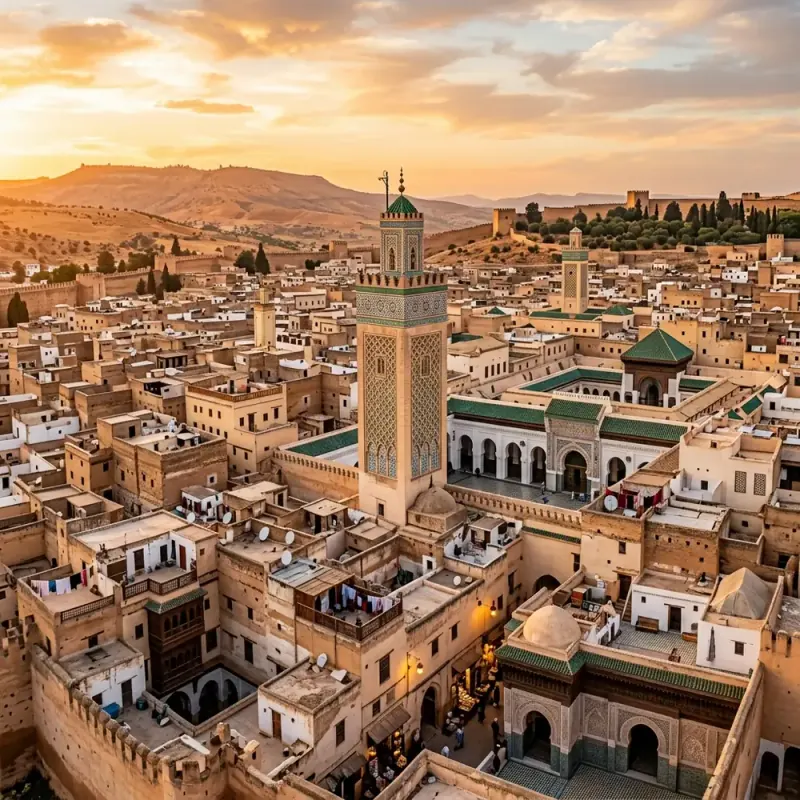
Fes el-Bali: The City Where Time Forgot to Move On
I have lived in Morocco my entire life, and Fes still makes me feel like a tourist. Not because it is foreign — but because it is so deeply, overwhelmingly Moroccan that even someone born in its shadow can spend a lifetime discovering new alleys, new scents, and new secrets.
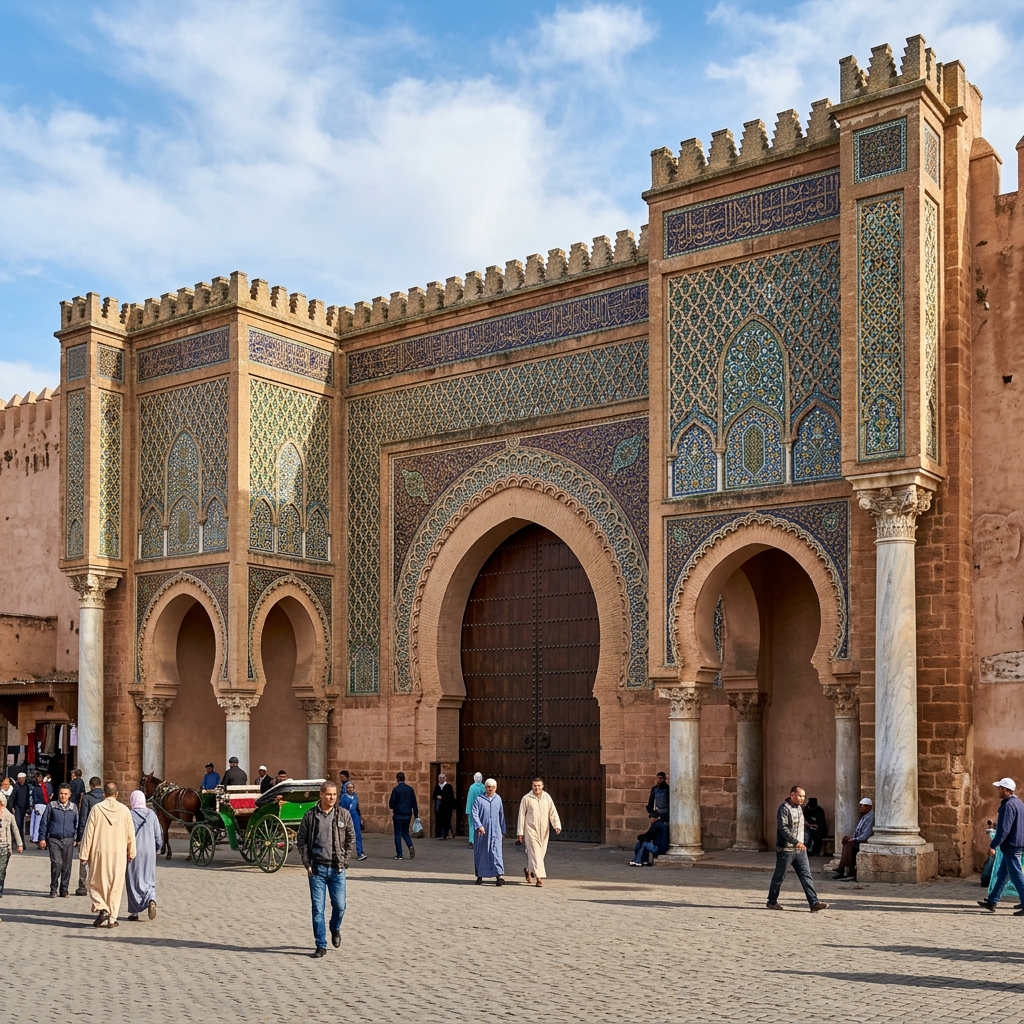
Fes el-Bali (Old Fes) is not a tourist attraction. It is a 9,000-street, 1.2 million-person, UNESCO-protected medieval city where the same rhythms of prayer, craft, trade, and learning that existed in the 9th century still govern daily life today. If you want to understand the soul of the Arab-Andalusian world, you come here.
The City That Founded a Kingdom
Fes was founded by Moulay Idriss II around 808 CE, making it one of the oldest cities in Morocco and the Islamic world. His father, Moulay Idriss I — the great-great-great-grandson of the Prophet Muhammad — had already established the Idrisid dynasty in nearby Volubilis, but it was his son who chose the banks of the Wadi Fes to build the empire’s capital.
Within a century, Fes had grown into the intellectual and spiritual capital of the Western Islamic world. The University of al-Qarawiyyin, founded in 859 CE by Fatima al-Fihri — a remarkable Tunisian immigrant woman — holds the title of the world’s oldest continuously operating university, recognized by UNESCO and the Guinness Book of World Records.
Let that sink in: Morocco has been running a university since before the Norman Conquest of England.
Navigating the 9,000 Streets
Let me be honest with you: you will get lost in Fes. This is not a bug; it is the feature.
The medina of Fes is the largest car-free urban area in the world. Its 9,000 classified streets were designed to be navigated on foot and by mule — and still are. In the leather quarter (Chouara), mule convoys carry fresh animal hides with the same efficiency they have maintained for 1,000 years.
My advice for first-time visitors:
- Hire a local guide for the first day. Not because you cannot navigate alone, but because they know which workshop door leads to a 300-year-old leather press, and which appears to be a dead end but is actually the entrance to a hidden courtyard café.
- Follow the mules. Seriously. The mule paths are the oldest and most direct routes through the medina.
- Get lost on the second day. Surrender to the labyrinth. That is when the real Fes reveals itself.
The Craft Guilds: A Living Museum
What makes Fes uniquely special is that it is not a museum about traditional crafts — it is those crafts, still being practiced in real-time.
- The Chouara Tannery: Founded in the 11th century, it is one of the oldest tanneries in the world. The sight of hundreds of circular dye vats filled with saffron, poppy, indigo, and mint colors is one of the most photographed in Morocco — and it looks exactly as it did 900 years ago.
- The Nejjarine Fondouk: A restored 18th-century caravanserai that houses a woodworking museum and overlooks a beautiful carved-wood fountain. The perfect spot for a quiet tea.
- The Bronze and Copper Quarter (Seffarine): The sound of hammers on metal fills this small square, where craftsmen beat traditional Moroccan copper and bronze vessels just as they have since the Marinid era.
Fes After Dark
The medina transforms completely after sunset. The crowds thin, the shopkeepers close their shutters, and the neighborhoods return to their residents. This is when I love Fes most.
Walk through the residential quarters (Andalus quarter or Qairawiyyin neighborhood) and listen to the calls to evening prayer echoing between the stone buildings. Find a rooftop terrace and watch the minarets glow against the sky. Order a Harira soup from a street vendor who has been using the same recipe for 30 years.
The City That Never Finished Being Built
Fes el-Bali is both ancient and alive. Every generation of Moroccans has added a layer to it — another carved plaster panel, another fountain, another madrasa. We have never stopped building our civilization. We have only built upon what came before. That is the truest definition of heritage. Come walk these ancient stones and become part of its ongoing story.
Frequently Asked Questions (FAQ)
Q1: Is Fes el-Bali safe for solo female travelers? A: Yes. The medina is a very community-oriented environment with a constant presence of residents. Dress modestly, be confident, and know your riad’s address. The vast majority of interactions are genuine and welcoming.
Q2: How many days do I need to see Fes properly? A: A minimum of three days is recommended. Day one for the major landmarks with a guide, day two for independent exploration and crafts, day three for the Jewish quarter (Mellah), the Marinid Tombs view at sunset, and a cooking class.
Q3: What is the best time of year to visit Fes? A: Spring (March-May) and Autumn (September-November) are ideal. The medina in July and August can be extremely hot, with temperatures regularly exceeding 38°C in the narrow alleys.
Experience the true heart of Moroccan heritage through its traditions. Join us in preserving these ancestral rituals.
What People Are Saying
No comments yet. Be the first — we'd love to hear from you.
Omar Idrissi
A Moroccan cultural writer dedicated to documenting the authentic voice, history, and heritage of the Kingdom. Writing from within — to share what truly makes Morocco extraordinary.
Our Mission →