Gnaoua Music: The Rhythmic Healing of the Atlantic
Gnaoua: The Spiritual Soul of the Moroccan Groove
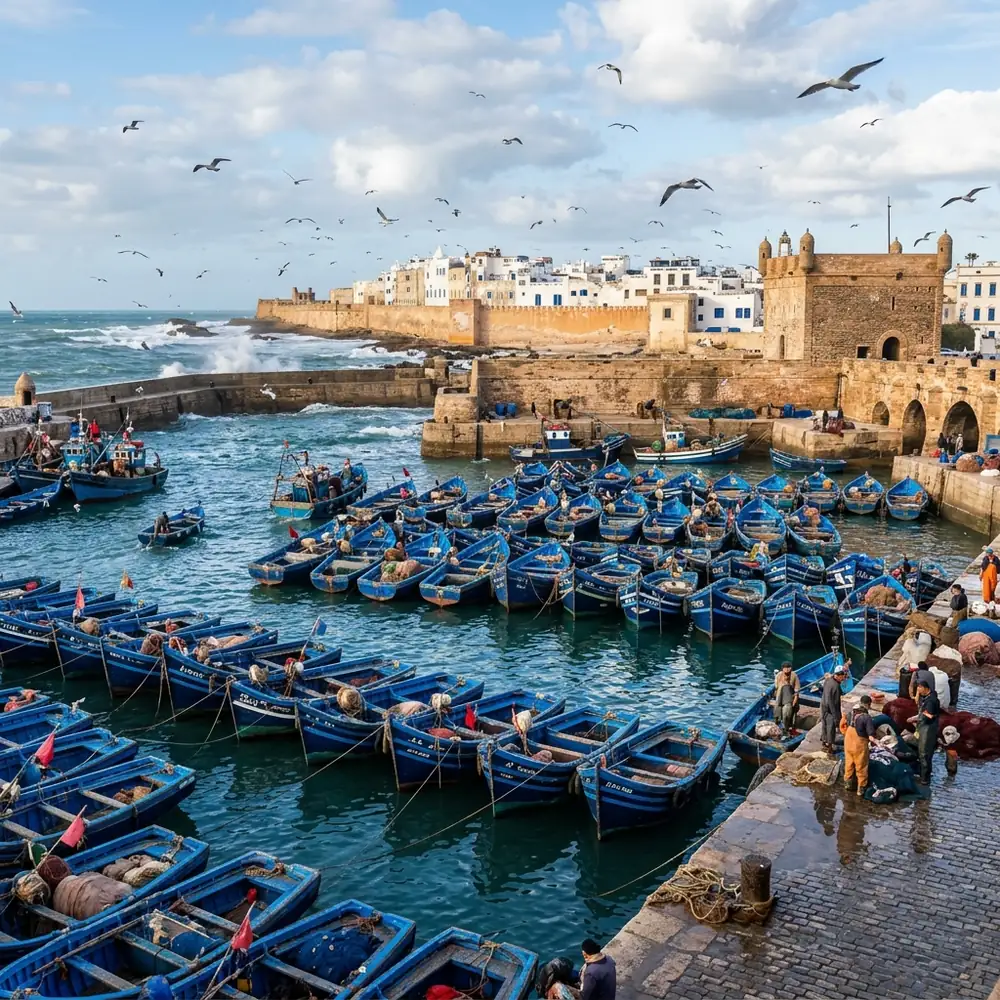
I attended my first Gnaoua festival in Essaouira as a teenager, dragged along by an older cousin who swore it would change me. By midnight, standing in a crowd with the Atlantic wind whipping off the ramparts and a Maâlem’s Guembri shaking my ribcage, I understood what he meant. Gnaoua music doesn’t just reach your ears — it reaches somewhere older than words. Born from the pain of ancestors forced into slavery and refined over centuries into a sacred art of healing, it is one of the most profound musical traditions I know — the pulse beneath the Moroccan groove.
The Roots of the Rhythm
The Gnaoua people are descendants of former slaves from West and Central Africa who were brought to Morocco centuries ago. Over time, their African rhythmic heritage blended with the Sufi Islamic traditions of the Maghreb.
- The Guembri: The heart of Gnaoua music is this three-stringed, skin-covered bass lute. Its deep, resonant thumps mimic the beating of a heart and provide the foundation for the trance.
- The Qraqeb: Heavy iron castanets that produce a constant, clattering rhythm, representing the sound of the chains once worn by the ancestors.
- Call and Response: The Lead Singer (Maâlem) leads the troupe in a rhythmic dialogue that can last for hours.
The “Lila”: A Ceremony of Healing
Historically, Gnaoua music was not for performance, but for the Lila—an all-night ritual of spiritual healing.
- The Colors: Each stage of the Lila is associated with a specific color (Red, Blue, Green, White, Black) representing different spiritual entities or “Mluks.”
- The Trance: Through the repetition of deep bass notes and the clatter of the Qraqeb, participants enter a trance, seeking peace and purification.
Essaouira: The Global Stage for Gnaoua
While Gnaoua villages exist across Morocco, Essaouira is its modern home. The Essaouira Gnaoua and World Music Festival attracts hundreds of thousands of people every year.
- The Fusion: The festival is famous for its “Fusions,” where Gnaoua masters jam with jazz, rock, and blues musicians from around the world.
- Spirit of Peace: The festival has turned Essaouira into a “city of music,” where the Atlantic breeze and the Gnaoua groove create an atmosphere of total freedom.
Tips for Experiencing Gnaoua
- Listen to the Maâlem: If you want to dive deep, check out recordings by legendary masters like Maâlem Mahmoud Gania or Maâlem Hamid El Kasri.
- Feel the Vibration: If you attend a live performance, try to sit near the Guembri player. You won’t just hear the music; you will feel it in your chest.
- The Respect: Gnaoua is a sacred tradition. If you witness a ritual or a performance in a spiritual setting, always be respectful of the Maâlem’s leadership.
To Keep the Conversation Going The Music of the Free
Gnaoua music is the proof that even the most painful histories can be transformed into the most beautiful art. It is the rhythm of the Moroccan soul — resilient, inclusive, and eternally groovy. My cousin was right, it did change me. If you’ve heard the Guembri played live, you know exactly what I mean. If you haven’t — Essaouira in June is calling your name. Share what brought you to Gnaoua in the first place.
Frequently Asked Questions (FAQ)
Q1: Is Gnaoua music only played in Essaouira? A: No, you can find Gnaoua communities in Marrakech, Casablanca, and even in southern villages like Khamlia in the desert. However, Essaouira is its most famous cultural hub.
Q2: What is the main instrument called? A: The main instrument is the Guembri (also known as a Sintir or Hajhouj). It is a three-stringed lute with a body covered in camel skin.
Q3: Is the Gnaoua festival free to attend? A: Much of the festival in Essaouira consists of free outdoor stages in the squares, while some specified concerts in Riads or intimate Venus require a ticket.
Experience the true heart of Moroccan heritage through its traditions. Join us in preserving these ancestral rituals.
What People Are Saying
No comments yet. Be the first — we'd love to hear from you.
H. Elmrabet
A Moroccan cultural writer dedicated to documenting the authentic voice, history, and heritage of the Kingdom. Writing from within — to share what truly makes Morocco extraordinary.
Our Mission →