The Green March: 350,000 Souls, One National Heart
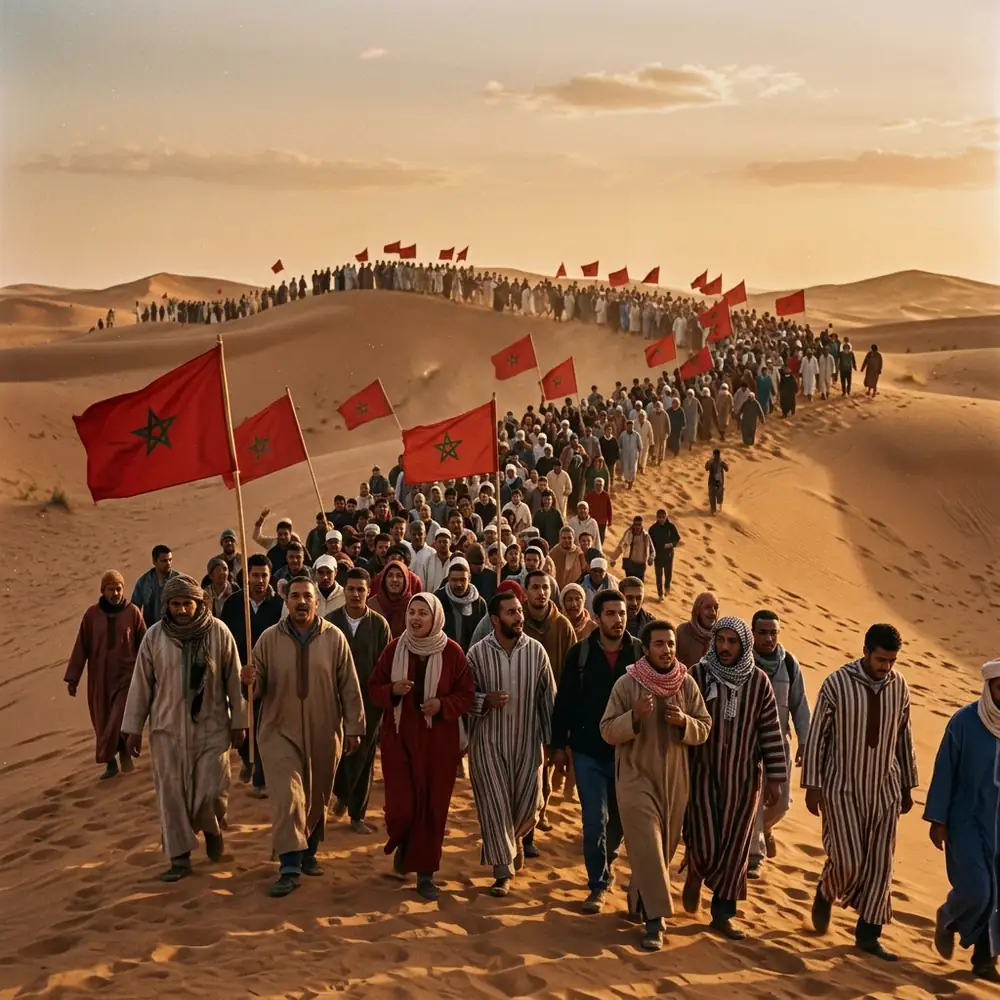
Every year on November 6th, Morocco pauses to remember one of the most defining moments in its modern history: The Green March. This was not a military campaign, but a peaceful, civil movement that saw hundreds of thousands of Moroccans march with nothing but the Quran and the national flag to reclaim their southern provinces.
A Peaceful Crusade for Sovereignty
Led by the visionary late King Hassan II, the Green March was a response to the need to decolonize the Moroccan Sahara from Spanish rule. It was a masterstroke of diplomacy and popular mobilization.
- The Call: The King asked for volunteers from every corner of the Kingdom—North, South, East, and West.
- The Logistics: In just a few weeks, 350,000 citizens were organized, fed, and transported toward the southern border.
- The Spirit: The marchers were motivated by a deep sense of “Tamaghrabit”—the essence of being Moroccan and the duty to protect the integrity of the land.
The Development of the Sahara Today
Since 1975, the transformation of our southern provinces like Laayoune and Dakhla has been nothing short of miraculous.
- Infrastructure: Modern airports, highways, and hospitals now serve a thriving population.
- Fisheries and Energy: The region has become a leader in sustainable fishing and wind energy production.
- International Recognition: A growing number of countries have opened consulates in the region, recognizing Morocco’s historical and legal sovereignty.
Why We Celebrate the Green March
To a Moroccan, the Green March is a reminder that unity is our greatest strength. It is a symbol of the unbreakable bond between the Throne and the People.
Tips for Understanding Moroccan Patriotism
- The Hymn: Listen to the “Nida’ al-Hassan” song, which became the anthem of the march and still brings tears to the eyes of Moroccans today.
- Visit the South: To truly appreciate the legacy, visit Laayoune or Dakhla and see the vibrant, modern cities that have been built there.
To Keep the Conversation Going A Living History
The spirit of the Green March lives on in the “New Development Model” for our southern provinces. We are not just marching for a land; we are marching for a future of shared prosperity. How does your country celebrate its unity? Share with us in the comments!
Frequently Asked Questions (FAQ)
Q1: Why was it called the “Green” March? A: Green is the traditional color of Islam, symbolizing peace, rebirth, and hope. It was chosen to emphasize the peaceful nature of the march.
Q2: Were there any shots fired during the Green March? A: No. The march was strictly peaceful. The volunteers carried only flags, portraits of the King, and the Quran.
Q3: How many women participated in the march? A: Approximately 10% of the marchers (35,000) were women, highlighting the inclusive nature of the national effort.
Experience the true heart of Moroccan heritage through its traditions. Join us in preserving these ancestral rituals.
What People Are Saying
No comments yet. Be the first — we'd love to hear from you.
H. Elmrabet
A Moroccan cultural writer dedicated to documenting the authentic voice, history, and heritage of the Kingdom. Writing from within — to share what truly makes Morocco extraordinary.
Our Mission →