Green Olives vs. Purple Olives: The Pairing Rules of Tajines
Green Olives vs. Purple Olives: The Pairing Rules of Tajines
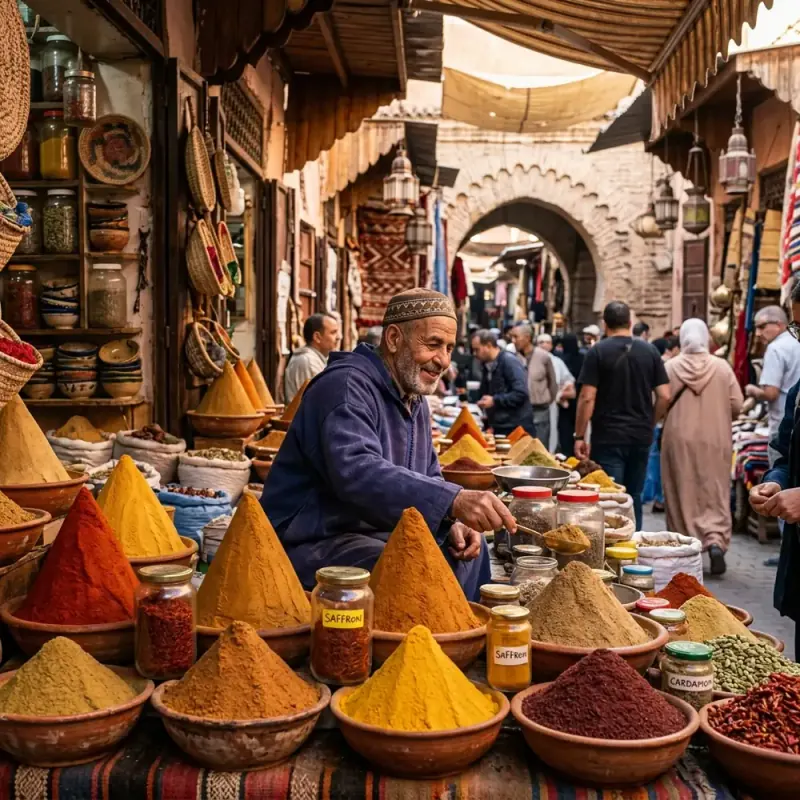
Walk through the olive souk in the Habous quarter of Casablanca, and you will see mountains of olives: cracked green ones soaking in lemon, wrinkled black ones glistening with olive oil, and vibrant purple ones tossed with harissa.
Olives (Zitoun) are consumed at every meal in Morocco, but when it comes to cooking them inside a tajine, there are strict, unspoken rules of pairing. You cannot simply interchange them.
The Sharpness of the Green Olive
The cracked green olive (Meslalla) is the youngest, sharpest, and most acidic of the bunch. Because of its bright, tart profile, it is strictly paired with white meats and bright sauces.
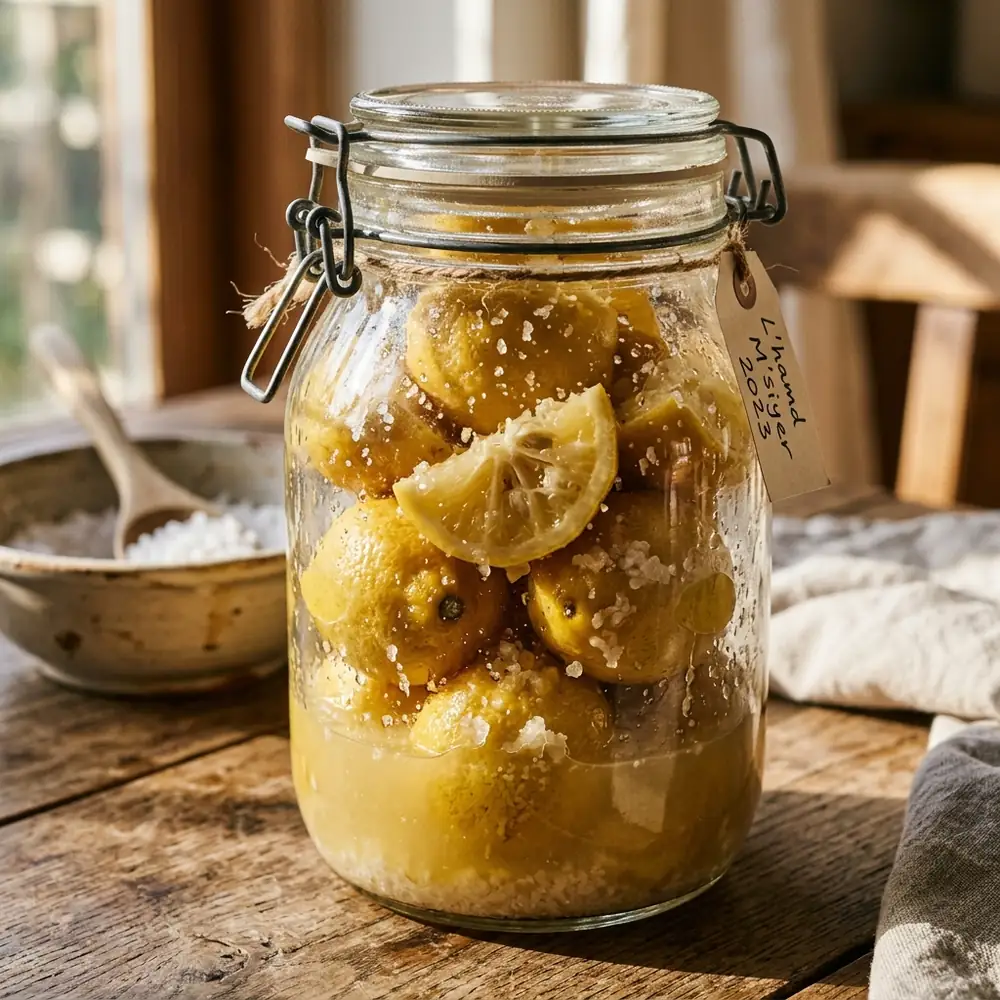
You will almost always see green olives simmered alongside preserved lemons in a classic Chicken Tajine. The acidity of the green olive cuts through the fat of the chicken and complements the citrus notes perfectly. They are also occasionally used in fish tajines where a sharp, zesty flavor is required.
The Depth of the Purple Olive
The purple olive (or reddish-brown olive) has been left on the tree longer. It is fleshier, slightly sweeter, and less acidic than the green variety.
Because of its deeper, more complex flavor, the purple olive is the exclusive companion to red meats. When you order a Beef or Lamb Tajine with artichokes or peas, it will be crowned with purple olives. The richness of the lamb broth requires an olive that can hold its own without introducing an overwhelming sourness.
The Wrinkled Black Olive
The black olive, fully ripened and often dry-cured in salt, is rarely cooked inside a tajine. Its flavor is too intense, and its texture would disintegrate. Instead, it is served on small plates alongside breakfast, or tossed into fresh salads for a punch of salty bitterness.
Understanding these pairings is the hallmark of a cook who understands the delicate architecture of Moroccan flavors.
Experience the true heart of Moroccan heritage through its traditions. Join us in preserving these ancestral rituals.
What People Are Saying
No comments yet. Be the first — we'd love to hear from you.
Ghina Mrabet
A Moroccan cultural writer dedicated to documenting the authentic voice, history, and heritage of the Kingdom. Writing from within — to share what truly makes Morocco extraordinary.
Our Mission →