Honey in Morocco: From Wild Thyme to Carob
If you tell a Moroccan grandmother that you have a sore throat, a stomach ache, or a persistent cough, she will not immediately send you to the pharmacy. She will go to the highest shelf in her pantry and pull down a jar of raw, unpasteurized, highly specific mountain honey.
In Moroccan culture, honey (L’Asel) is revered. It is mentioned in the Quran as a healing substance, and the country’s diverse geography produces some of the rarest, most medicinal honeys in the world.
The Dark Medicine: Carob Honey
Walk into an artisanal honey shop in the medina, and you will see jars ranging from pale yellow to pitch black.
The darkest of them all is Carob Honey (Miel de Caroubier). The carob tree grows wild in the dry foothills of the Atlas Mountains. The honey produced from its tiny flowers is incredibly thick, nearly black, and tastes of bitter chocolate and molasses. It is notoriously good for treating digestive issues and is highly prized for its lack of sharp sweetness.
The Mountain Cure: Thyme Honey
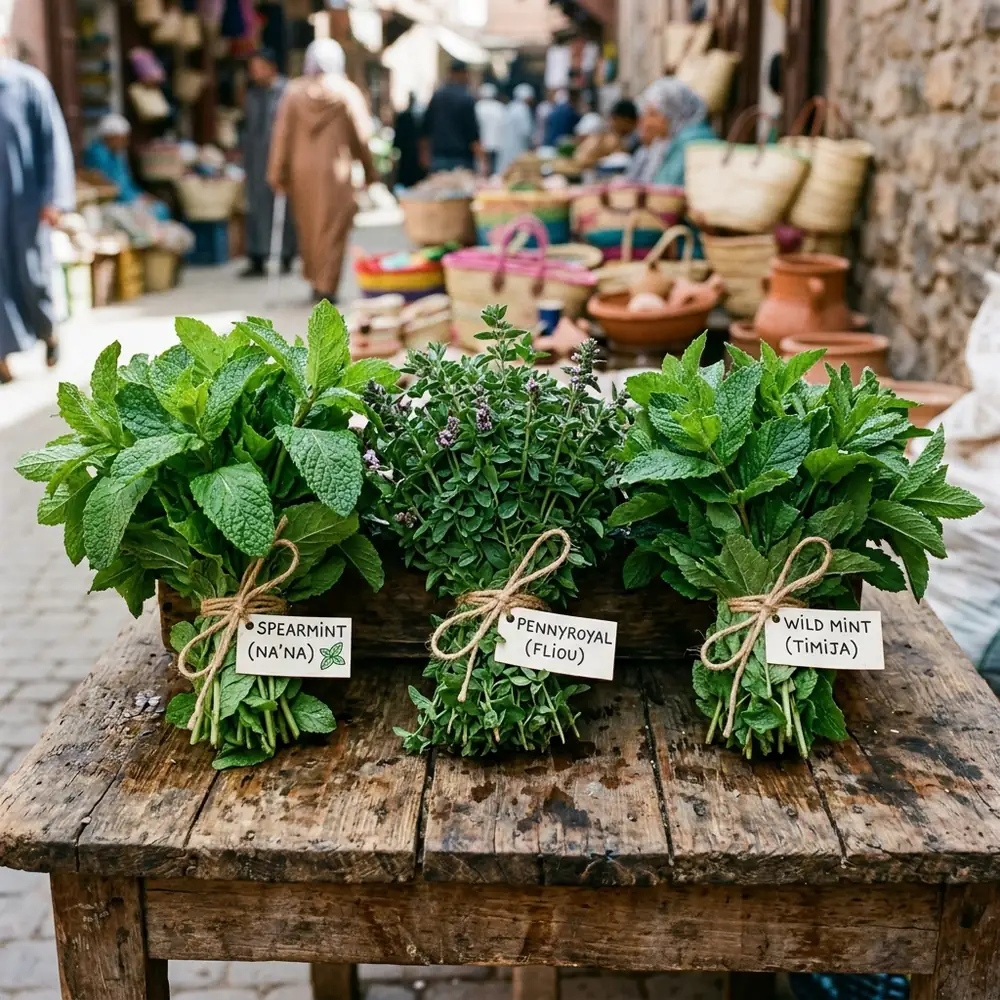
Perhaps the most famous medicinal honey in Morocco is Thyme Honey (Miel de Zaatar). Harvested from the high altitudes where wild thyme grows fiercely among the rocks, this honey is a beautiful amber color. It has a sharp, intense, almost menthol-like herbal flavor that burns slightly at the back of the throat. It is the undisputed champion for curing severe winter colds and respiratory infections.
The Everyday Sweet: Orange Blossom Honey
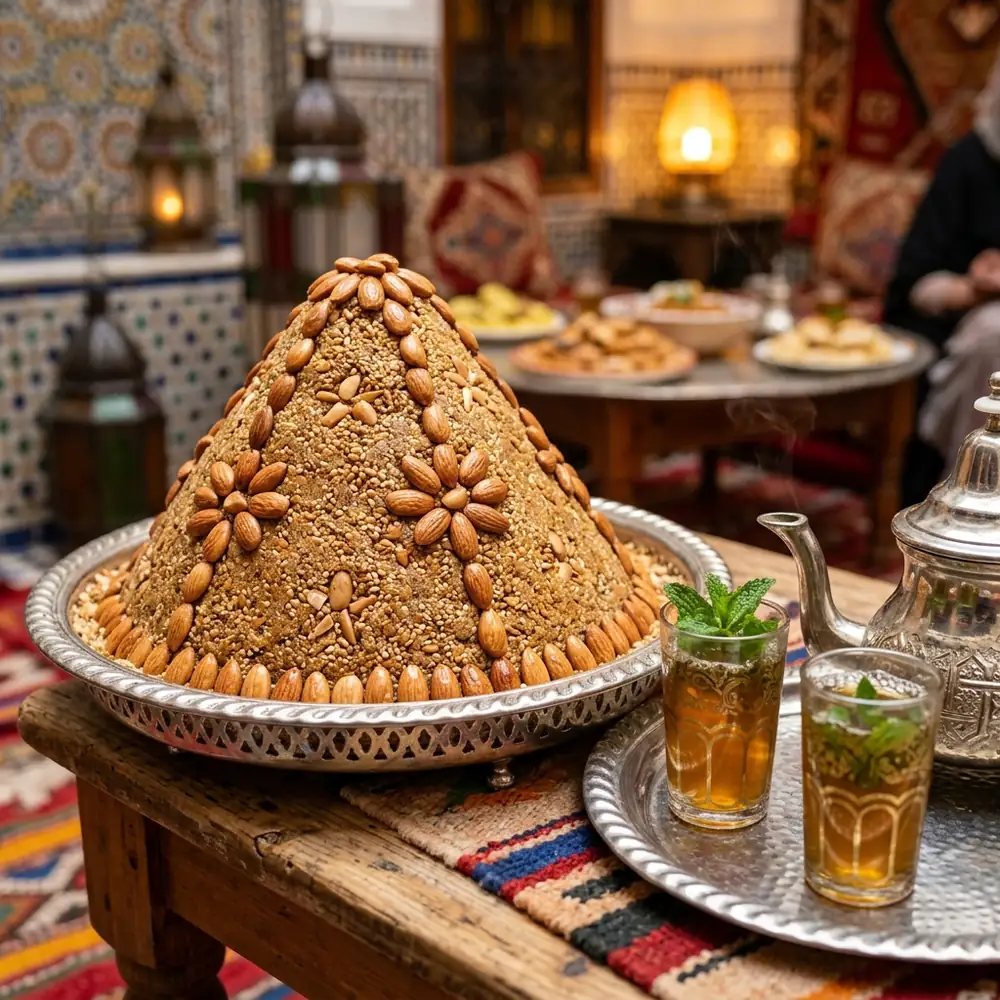
For baking and everyday breakfasts, Moroccans turn to the lighter, thinner honeys. Orange Blossom Honey (Miel d’Oranger) is the most popular. It is pale, incredibly fragrant, and extremely sweet. This is the honey that is melted down and poured over hot, flaky Msemen, or used to bind the almond paste in luxurious pastries.
In Morocco, you never just buy “honey.” You buy the specific flower you need to cure what ails you.
Experience the true heart of Moroccan heritage through its traditions. Join us in preserving these ancestral rituals.
What People Are Saying
No comments yet. Be the first — we'd love to hear from you.
Youssef Amazigh
A Moroccan cultural writer dedicated to documenting the authentic voice, history, and heritage of the Kingdom. Writing from within — to share what truly makes Morocco extraordinary.
Our Mission →