Marrakech: Jemaa El Fna, the Eternal Theater Under the Stars
The first time my uncle took me to Jemaa El Fna at night, I was maybe ten years old and completely overwhelmed — the drums, the smoke from the grills, the circle of people shouting around a storyteller, the snake charmer’s flute cutting through it all. I grabbed my uncle’s djellaba and didn’t let go for an hour. Decades later, I still feel the same pull every time I walk into that square. Jemaa El Fna is not just a market — it is the oldest living stage in the world, recognized by UNESCO as a Masterpiece of Oral and Intangible Heritage, putting on a show every single night for nearly a thousand years.
By Day: A Market of Senses
During the sunlight hours, the square is a bustling hub of commerce and citrus.
- The Orange Juice Stalls: Dozens of identical stalls offer the freshest, sweetest orange juice in the world. It is the unofficial drink of Marrakech.
- The Henna Artists: Women skillfully apply intricate geometric patterns to the hands of visitors, a symbol of “Baraka” (blessing).
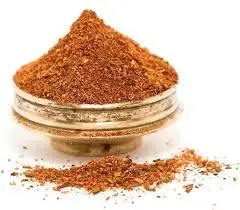
- The Spice Sellers: The edges of the square are lined with shops where the scent of Ras el Hanout and dried roses fills the air.
By Night: The World’s Largest Open-Air Kitchen
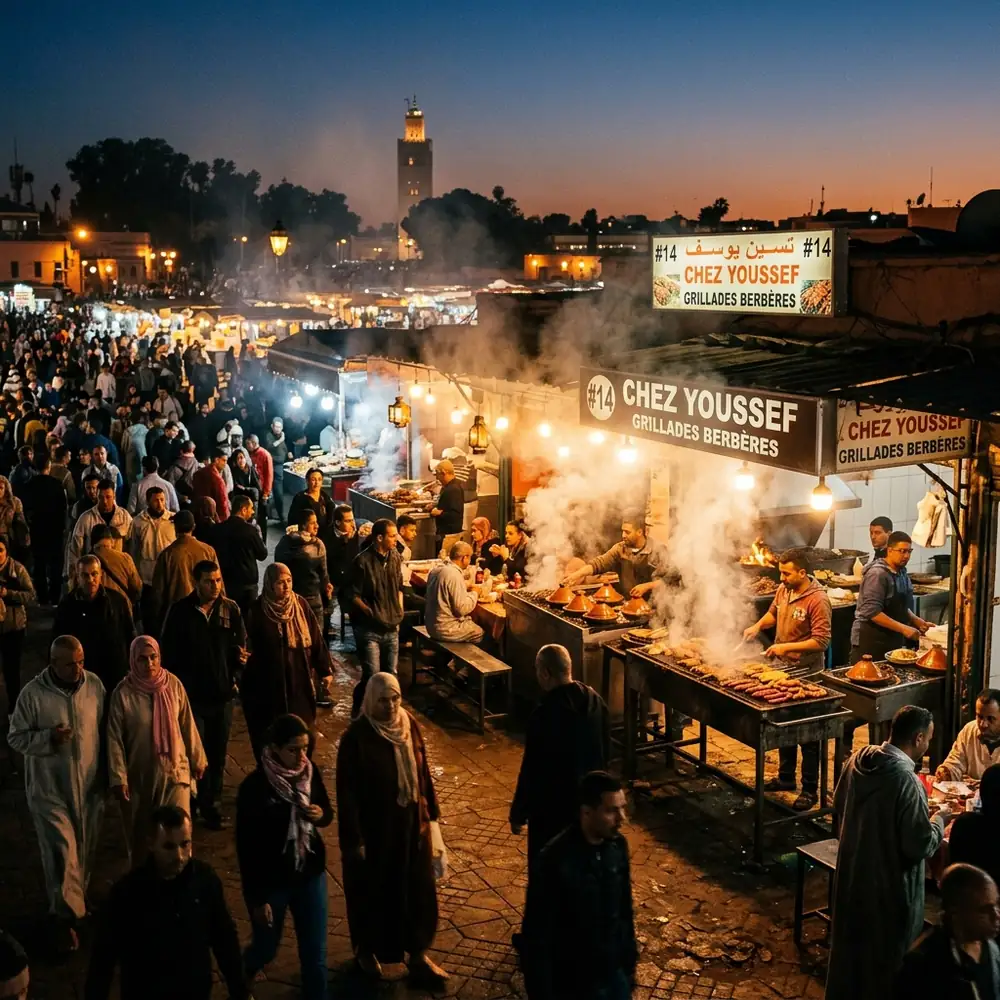
As the sun sets over the Koutoubia minaret, the square undergoes a magical transformation. Smoke begins to rise as hundreds of mobile food stalls emerge from the shadows.
- Grilled Delights: The scent of Kefta and Merguez skewers fills the air.
- Secret Specialties: Brave foodies can try Tanjia (the bachelor’s slow-cooked lamb) or Babouche (aromatic snail soup).
- The Soundscape: Under the glow of thousands of bulbs, the sound of the Gimbri and the laughter of the crowd create a unique sonic environment.
The Halqa: The Art of the Storyteller
The true soul of Jemaa El Fna is the “Halqa”—the circle of people gathered around a storyteller (Hlayqi).
- Fables and History: These masters of the spoken word pass down legends, poems, and history that have never been written in books.
- A Vanishing Art: In an age of smartphones, these storytellers are the guardians of Moroccan oral tradition, keeping our collective memory alive.
Tips for Navigating the Square
- Find a Rooftop: Several cafes around the square offer terrace views. Grab a mint tea at sunset and watch the transformation of the square from above—it is a visual symphony.
- Agree on Prices: If you take a photo of a performer or eat at a stall, always clarify the price beforehand to avoid any “surprises.”
- Watch Your Belongings: Like any world-famous crowded spot, keep an eye on your pockets while you’re lost in the magic.
To Keep the Conversation Going The Magic That Never Sleeps
Marrakech is not a city you visit; it’s a city you feel in your bones. Jemaa El Fna is the proof that heritage is not a museum — it is a living, breathing part of our daily life. My uncle still goes every Friday. Maybe he’s onto something. Tell us: what was the moment Marrakech caught you off guard?
Frequently Asked Questions (FAQ)
Q1: What is the best night to visit Jemaa El Fna? A: Every night is a spectacle, but Sunday nights are particularly vibrant as locals from the surrounding regions often come to the city to enjoy the square.
Q2: Is the street food in the square safe to eat? A: Yes, but choose stalls that are busy with locals. Stalls like #14 (Fried Fish) or the Harira stands are legendary for their quality and hygiene standards.
Q3: How do I find the storytellers? A: Look for the largest “circles” of people where someone is speaking loudly or performing. Even if you don’t understand Arabic or Tashelhit, the energy and gestures are universally understandable.
Experience the true heart of Moroccan heritage through its traditions. Join us in preserving these ancestral rituals.
What People Are Saying
No comments yet. Be the first — we'd love to hear from you.
H. Elmrabet
A Moroccan cultural writer dedicated to documenting the authentic voice, history, and heritage of the Kingdom. Writing from within — to share what truly makes Morocco extraordinary.
Our Mission →