Olives for Breakfast: The Black, the Green, and the Harissa
Olives for Breakfast: The Black, the Green, and the Harissa
In the West, olives are often relegated to a garnish for a martini or a small appetizer before a Mediterranean dinner. In Morocco, the olive (Zitoun) is a serious, heavy-hitting staple of the breakfast table.
If you sit down for breakfast in a medina café, right alongside your mint tea and flaky Msemen flatbread, you will invariably be served a small trio of bowls containing three distinct types of olives.
The Wrinkled Black Olive
The most intensely flavored of the three is the dry-cured black olive. These are left on the tree until fully ripe, then packed heavily in coarse salt to draw out the moisture. The result is a deeply wrinkled, incredibly concentrated, bitter-salty bite. To soften their intensity, they are almost always tossed generously in extra-virgin olive oil and sometimes a pinch of cumin before serving.
The Cracked Green Olive
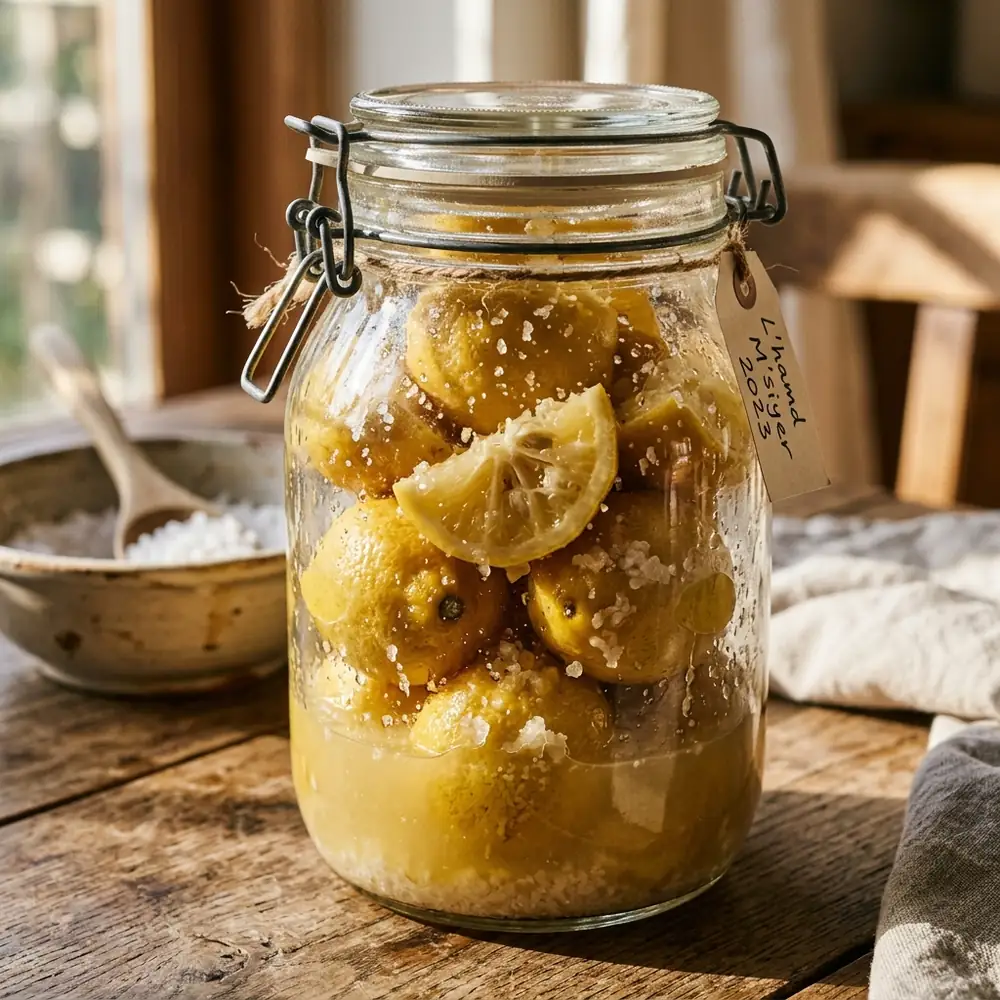
The green olives (Meslalla) are harvested young and firm. They are traditionally cracked open with a stone to allow the curing brine to penetrate deeply. For breakfast, these green olives are usually marinated in a bright, acidic mixture of preserved lemon slices, garlic, and fresh parsley. They provide a sharp, tart contrast to the heavy, sweet pastries on the table.
The Purple Harissa Olive
Finally, the reddish-purple olives are often the boldest. They are deeply marinated in Harissa, the fiery North African chili paste. The heat of the chili, combined with the natural sweetness of the ripe purple olive, acts as a powerful wake-up call for the palate.
A true Moroccan breakfast requires all three. You tear a piece of warm bread, dip it in olive oil, and chase it with a bitter black olive, a tart green one, or a fiery purple one, balancing the flavors of the morning perfectly.
Experience the true heart of Moroccan heritage through its traditions. Join us in preserving these ancestral rituals.
What People Are Saying
No comments yet. Be the first — we'd love to hear from you.
Youssef Amazigh
A Moroccan cultural writer dedicated to documenting the authentic voice, history, and heritage of the Kingdom. Writing from within — to share what truly makes Morocco extraordinary.
Our Mission →