Oujda: Where the Sun Rises on Moroccan Hospitality
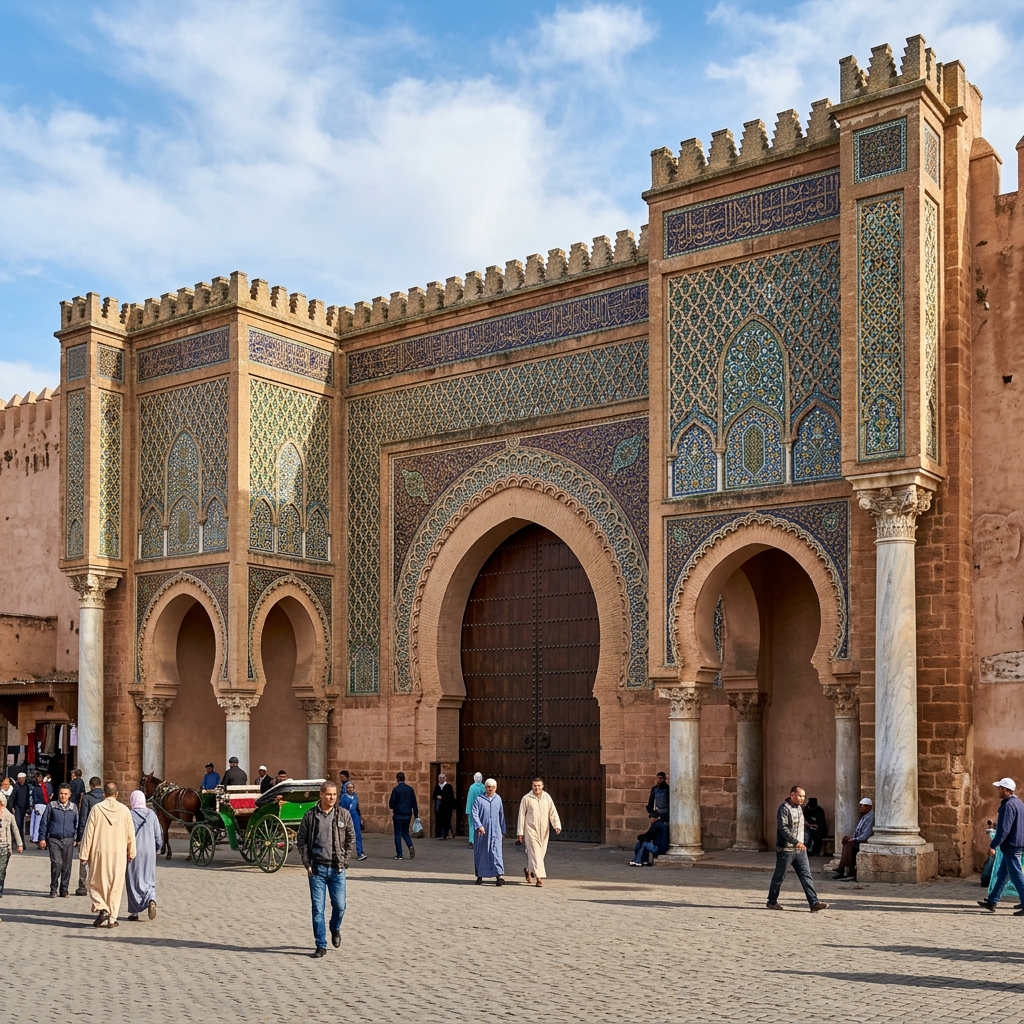
The first time I arrived in Oujda, I was there for a wedding, and I got lost trying to find the Bab El Gharbi gate. I stopped to ask directions and ended up sitting for forty-five minutes in a stranger’s courtyard, eating Karan and listening to live Ghirnata music while they insisted on walking me to the wedding themselves. That, for me, is Oujda in one moment. Often overlooked in favor of Marrakech or Fes, Oujda is a hidden treasure of the Oriental region — a city of high walls, ancient gardens, and a cultural identity that is fiercely Moroccan yet distinct in its music, dialect, and flavors.
A City of History and Faith
Oujda was founded in 994 AD by Ziri ibn Atiyya, the leader of the Maghrawa tribe. Its name, which means “the find” or “the meeting,” reflects its history as a strategic crossroads between the Maghreb and the rest of Africa.
- The Medina: The heart of Oujda is its medina, which is accessed through the magnificent Bab El Gharbi gate. It is less labyrinthine than Fes but equally rich in spirit.
- The Great Mosque: Built in the 13th century, it is one of the most beautiful examples of Merenid architecture in the region.
The Rhythm of the East: Raï and Reggada
Oujda is the undisputed capital of the musical spirit of East Morocco.
- Reggada: More than just a music genre, Reggada is a warrior dance from the Rif mountains nearby. Using bamboo flutes (Al-Gasba) and heavy percussion, the dancers tap their shoulders and stomp their feet in a rhythmic display of strength and pride.
- Ghirnata: A classical Andalusian musical style that has found its most loyal guardians in Oujda, where families have passed down the melodies for centuries.
Gastronomy: The Flavors of the Oriental
The food in Oujda is a highlight for any traveler.
- Karan: A unique chickpea cake flavored with cumin and salt, traditionally sold by street vendors and served in a piece of bread. It is the ultimate Oujdi comfort food.
- Barkaresh: A hearty regional couscous variant made with local grains and vegetables.
- The Dates of Figuig: Oujda is the gateway to the oases of the South-East, where the world’s most delicious dates are grown.
Exploring the Surroundings
- Sidi Maafa Park: A lush hill overlooking the city, perfect for a sunset walk or a morning run among the pines and eucalyptus trees.
- Saidía (The Blue Pearl): Just an hour’s drive north lies Saidía, one of the most beautiful Mediterranean beaches in Africa, with fine golden sand that stretches for miles.
Tips for Travelers in Oujda
- Learn a Few Words: The Oujdi dialect has its own unique charm. Try saying “Lbass” instead of “Labas” for a local touch!
- The Coffee Culture: Oujda is a city of cafes. Spend an afternoon in the Place El Maghreb and watch the world go by with a glass of strong coffee.
- Shopping for Fabric: The medina of Oujda is famous for its high-quality fabrics and traditional wedding attire (Chedda Oujdia).
To Keep the Conversation Going The Soul of the East
Oujda is a reminder that Morocco’s beauty is as wide as the Kingdom itself. The East has its own pulse, its own flavors, and its own songs — and the people there will make sure you feel every bit of it. What would it take to get you to put Oujda on your itinerary? Drop your travel plans — or your questions about the Oriental region — in the comments.
Frequently Asked Questions (FAQ)
Q1: Is Oujda a safe city for tourists? A: Oujda is extremely safe and is known for the incredible hospitality of its residents. It is a very family-friendly destination.
Q2: How do I get to Oujda? A: Oujda has an international airport (Angads) with direct flights from Casablanca and several European cities. You can also reach it via the Al Boraq-connected train network from Rabat or Fes.
Q3: What is the best time of year to visit? A: Spring (March-May) is beautiful, but late summer is also great if you plan to combine your trip with a visit to the nearby beaches of Saidía.
Experience the true heart of Moroccan heritage through its traditions. Join us in preserving these ancestral rituals.
What People Are Saying
No comments yet. Be the first — we'd love to hear from you.
H. Elmrabet
A Moroccan cultural writer dedicated to documenting the authentic voice, history, and heritage of the Kingdom. Writing from within — to share what truly makes Morocco extraordinary.
Our Mission →