Seffa: The Sweet Cinnamon Vermicelli That Ends Moroccan Banquets
Seffa: The Sweet Cinnamon Vermicelli That Ends Moroccan Banquets
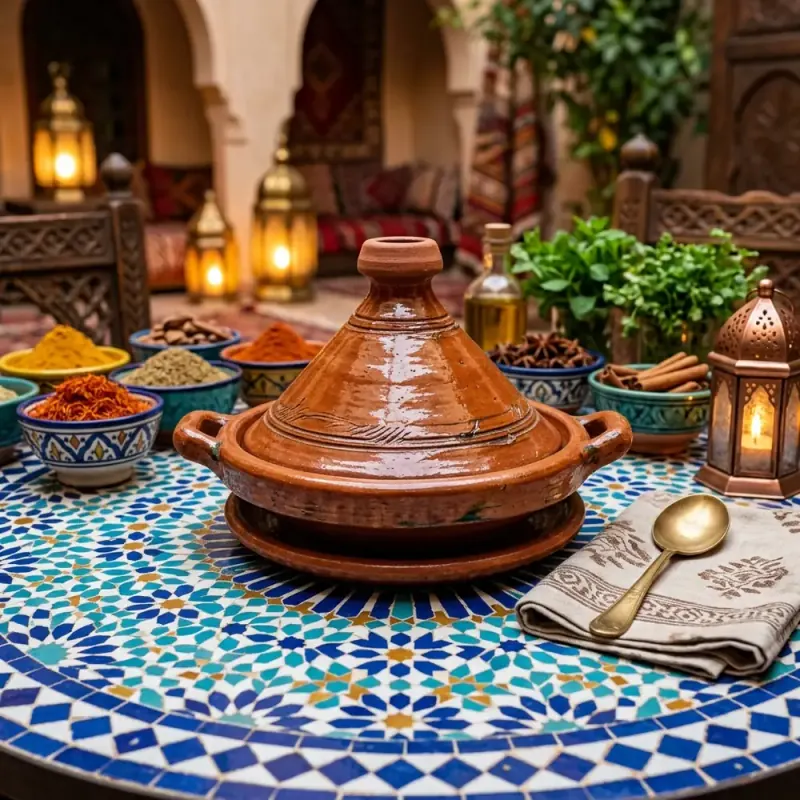
Just when you think the royal feast has ended, the grand finale of our Moroccan table arrives in the form of Seffa. This towering mountain of delicately steamed vermicelli is a masterpiece of sweet and savory equilibrium, representing the pinnacle of ancestral culinary traditions. Adorned with geometric lines of cinnamon, powdered sugar, and crushed almonds, it is a visual and sensory marvel.
How is traditional Seffa prepared without boiling?
The secret to perfect Seffa is patience and the gentle power of steam.
- The short vermicelli noodles (chaâriya) are never plunged into boiling water.
- They are coated in oil and steamed three to four separate times in a couscoussière.
- Between each steaming, they are fluffed by hand with salted water and butter until perfectly plump and detached.
What is the cultural significance of serving Seffa?
In our culture, ending a heavy, savory meal with a massive, shared platter of Seffa is the ultimate gesture of generosity. The Andalusian influence is evident in the marriage of sugar, raisins, and roasted almonds. Often, a hidden layer of savory saffron chicken (Seffa Medfouna) is buried beneath the sweet noodles, surprising the honored guests as they dig into the mound.
The Master’s Guide to Decorating Seffa
- Use pure Ceylon cinnamon to draw intersecting lines radiating from the peak of the noodle mountain.
- Blanket the sections with fried, crushed almonds and serve with small bowls of extra powdered sugar for the guests to customize their bites.
The Invisible Invitation
The delicate crunch of almonds and the sweet perfume of cinnamon are calling your name. Join us in the heart of the medina, where the mint tea is poured high and the majestic platters of Seffa are always large enough to feed a new friend.
Experience the true heart of Moroccan heritage through its traditions. Join us in preserving these ancestral rituals.
What People Are Saying
No comments yet. Be the first — we'd love to hear from you.
Farisse ahmed
A Moroccan cultural writer dedicated to documenting the authentic voice, history, and heritage of the Kingdom. Writing from within — to share what truly makes Morocco extraordinary.
Our Mission →