Sustainable Fishing: Protecting the Riches of Our Two Seas
The Guardians of the Atlantic and the Mediterranean: Sustainable Fishing in Morocco
Growing up near the coast, my family’s meals were always tied to what the local fishermen caught that morning. With over 3,500 kilometers of coastline spanning two seas, the ocean is truly the lifeblood of our Kingdom. We are the top fish producer in Africa and the leading exporter of sardines in the world. However, being a leader comes with a great responsibility to protect our marine biodiversity for future generations. Through our “Halieutis” strategy, Morocco has become a global model for the “Blue Economy.”
The “Halieutis” Strategy: Triple Sustainability
Launched by His Majesty King Mohammed VI, the Halieutis plan focuses on three pillars:
- Sustainability: Enforcing strict quotas and biological rest periods to allow fish stocks to regenerate.
- Performance: Modernizing the fishing fleet and the ports to reduce waste and improve the quality of the catch.
- Competitiveness: Ensuring that “Made in Morocco” seafood meets the highest international standards of traceability and health.
The Artisanal Heritage vs. Modern Tech
Morocco’s fishing industry is a unique mix of the ancient and the high-tech.
- The Blue Boats: In ports like Essaouira and Safi, the traditional wooden fishing boats are still the backbone of the community, providing thousands of jobs and maintaining a vital cultural connection to the sea.
- Scientific Research (INRH): The National Institute for Fisheries Research uses state-of-the-art laboratory ships to monitor water temperature, salinity, and fish migration patterns in real-time.
- Aquaculture: Morocco is investing heavily in fish and oyster farming in regions like Dakhla and Tetouan to meet global demand without over-stressing wild populations.
Why it Matters for the World
Moroccan waters are some of the most productive in the world. By managing them sustainably, Morocco is contributing to global food security.
- The Sardine King: Our sardines are prized from New York to Tokyo for their quality and high Omega-3 content.
- The Octopus of the South: In Dakhla, the octopus fishery is now one of the most strictly regulated in the world, ensuring a premium, sustainable product.
Tips for Supporting Sustainable Seafood
- Buy MSC Certified: Look for the Marine Stewardship Council label on Moroccan canned sardines and mackerel.
- Visit a Port at Dawn: To understand the human scale of the industry, visit a port like Agadir or Tangier at 5:00 AM to see the auctions in action.
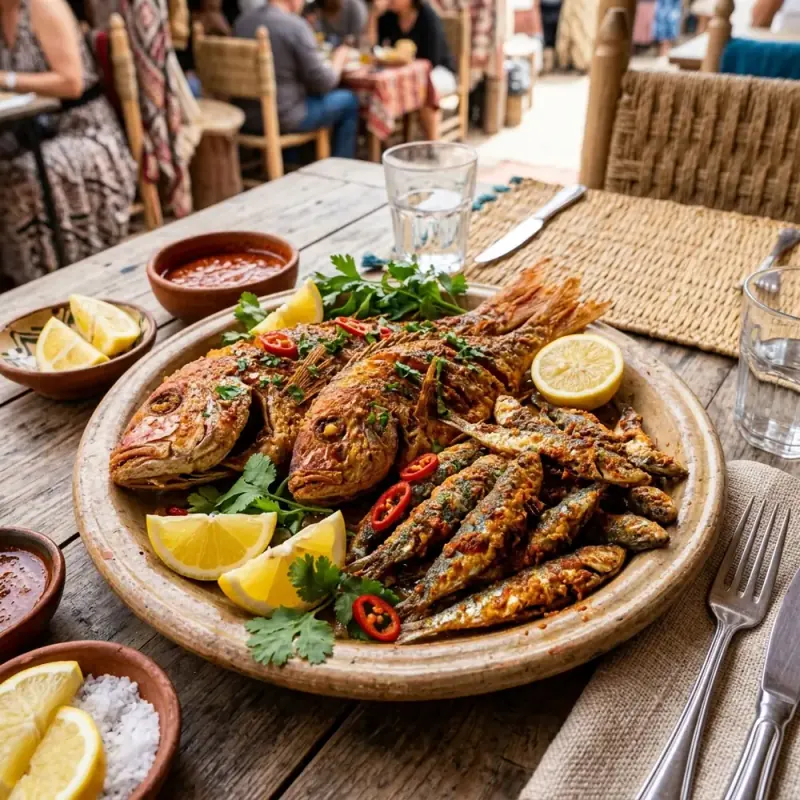
- Try Local Varieties: Beyond sardines, try local species like Pagre, Loup de Mer, and the giant Gambas of the North.
A Sea of Opportunities
The ocean is a precious gift, and Morocco is deeply committed to being its guardian. Through science, tradition, and strong political will, we are ensuring that our Kingdom’s blue horizons will always be full of life. Next time you visit a local market, what kind of sustainable fish will you look for to prepare your own family dinner?
Frequently Asked Questions (FAQ)
Q1: How much of the world’s sardines come from Morocco? A: Morocco is the world’s leading exporter of canned sardines, accounting for approximately 25-30% of global trade.
Q2: What is a “Biological Rest Period”? A: It is a period during the year (often several months) when fishing for specific species is completely banned to allow them to spawn and grow, ensuring the long-term health of the population.
Q3: Can I go deep-sea fishing as a tourist? A: Yes! Cities like Mohammedia, Agadir, and Dakhla have many licensed charters that offer high-sea fishing experiences while following local sustainable regulations.
Experience the true heart of Moroccan heritage through its traditions. Join us in preserving these ancestral rituals.
What People Are Saying
No comments yet. Be the first — we'd love to hear from you.
H. Elmrabet
A Moroccan cultural writer dedicated to documenting the authentic voice, history, and heritage of the Kingdom. Writing from within — to share what truly makes Morocco extraordinary.
Our Mission →